From Pixels to the Stage: How Holographic Tech Transformed Vocaloid Concerts Forever
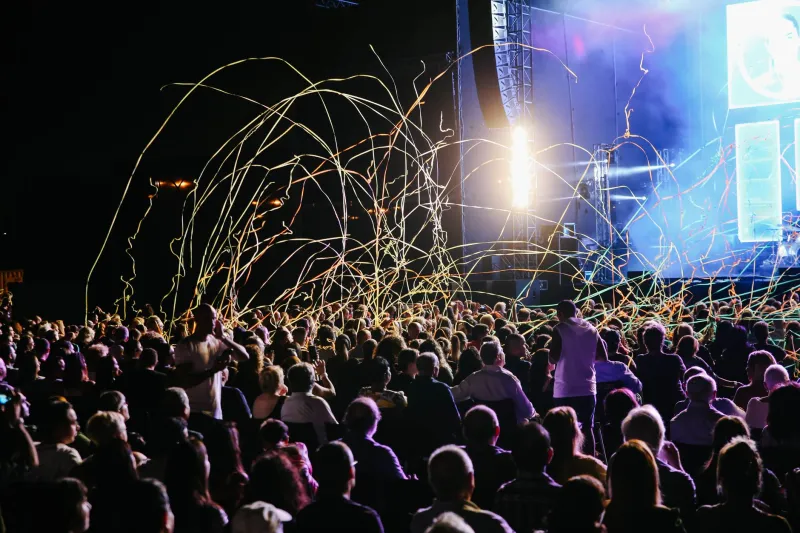
Imagine standing in a packed arena, glowsticks raised, surrounded by thousands of fans screaming for a performer who technically doesn't exist in any physical form. The bass drops, a beam of light cuts through the fog, and there she is — Hatsune Miku, larger than life, dancing and singing like she owns the place. If you've never been to a Vocaloid holographic concert, this might sound like science fiction. But for fans across the US and Japan, it's become one of the most emotionally real live experiences in modern entertainment.
So how did we get here? And more importantly, what's coming next?
The Moment That Started It All
The story really kicks off in 2009, when Crypton Future Media took a massive gamble on a live concert format that had never really been tried at scale before. The Sapporo concert featuring Hatsune Miku used early-stage projection technology to bring the virtual singer to life on stage in front of a live audience. By today's standards, the visuals were relatively simple — but the reaction was anything but.
Fans lost their minds. The energy in that room was reportedly indistinguishable from a conventional pop concert, maybe even more intense. There was something deeply moving about seeing a character that had lived exclusively on computer screens suddenly occupying real physical space, responding to the crowd, performing choreography in sync with a live band. It hit different, and the Vocaloid community knew it.
From that moment, Crypton and concert promoters started investing seriously in the technology, and the trajectory has been pretty much straight up ever since.
The Tech Behind the Magic
A lot of people assume these performances use traditional holography — like the Princess Leia-style floating projections from old sci-fi movies. The reality is a bit more grounded but no less impressive. Most Vocaloid concerts use a technique called Pepper's Ghost, a theatrical illusion that dates back to the 1800s but has been massively upgraded for modern venues.
Basically, high-definition footage of a rendered 3D character is projected onto a specialized transparent screen or foil at an angle, creating the illusion of a three-dimensional figure performing on stage. When the lighting is dialed in correctly and the resolution is high enough, the effect is genuinely stunning — especially in larger venues where the scale amplifies everything.
Over the years, the rendering quality of Miku and other Vocaloid performers has evolved dramatically. Early concerts featured relatively stiff animations. Today's performances use motion-capture data from professional dancers, real-time rendering pipelines, and incredibly detailed character models that pick up subtle lighting changes to feel more lifelike. Some newer productions have even started experimenting with spatial audio design that makes it feel like the performer is physically moving around the stage.
How US Anime Fans Got Hooked
For American fans, the gateway moment came in 2011 when Hatsune Miku made her US concert debut in Los Angeles. The demand was unlike anything the organizers had anticipated — tickets sold out almost instantly, and fans who couldn't get in lined up outside just to be near the venue. That event made it crystal clear that the appetite for Vocaloid live experiences in the US wasn't niche. It was massive.
The US anime convention circuit played a huge role in spreading the culture, too. Events like Anime Expo and Otakon started incorporating Vocaloid panels, rhythm game tournaments, and even small-scale holographic showcase setups that let attendees get a taste of the concert format. For a lot of fans in middle America who couldn't easily travel to LA or New York for a full arena show, conventions became the primary way they connected with Vocaloid live culture.
Social media did the rest. Concert footage spread like wildfire on YouTube and later TikTok, pulling in viewers who had no prior connection to anime or Vocaloid but were simply blown away by the spectacle. The crossover appeal turned out to be enormous.
The Hybrid Era: Live Bands, Virtual Performers, and Global Streams
One of the most interesting developments in recent years has been the rise of hybrid concert formats. Instead of a fully pre-recorded backing track, many modern Vocaloid shows now feature live musicians on stage alongside the holographic performer. The contrast — flesh-and-blood guitarists and drummers sharing the spotlight with a virtual singer — creates a strange and genuinely compelling dynamic that audiences seem to love.
The COVID-19 pandemic, as brutal as it was for live events, actually pushed the format forward in unexpected ways. With in-person concerts impossible, producers pivoted to fully virtual online events that used the same rendering technology but delivered it directly into fans' living rooms. The global simultaneous viewing experience created a sense of community that rivaled anything happening in physical venues. Fans in Ohio and fans in Osaka were watching the same performance at the same moment, reacting in real time on social platforms.
That hybrid DNA has stuck around post-pandemic. Many Vocaloid events now offer both in-person and livestream ticket options, dramatically expanding their reach and making the experience accessible to fans who can't afford travel or simply live too far from major concert markets.
What's Next for Vocaloid Live Experiences
The next frontier is genuinely exciting. AR (augmented reality) integration is already being tested in smaller showcase environments, where audience members wearing AR glasses can see additional visual layers overlaid on the performance — imagine Miku's signature teal hair glowing with effects that only you can see through your headset. Full VR concert experiences are also getting more sophisticated, with spatial audio and 360-degree environments that put you inside the show rather than watching it from the outside.
There's also growing conversation about AI-driven real-time performance adaptation — essentially, a Vocaloid performer that can respond to crowd energy, adjust setlists on the fly, or even interact with individual audience members in limited ways. Whether that's exciting or slightly unsettling probably depends on your relationship with AI, but the technical groundwork is being laid right now.
For US fans, the live Vocaloid experience has never been more accessible or more impressive. From that scrappy 2009 projection in Sapporo to sold-out arena tours and globally streamed hybrid events, the journey has been remarkable. And honestly? We're probably still in the early chapters of this story.
Keep an eye on MikuEvent for the latest concert announcements, ticket drops, and everything else happening in the Vocaloid live space. The stage is only getting bigger.