Fan-Made vs. Official Vocaloid: The Culture War That's Actually Making the Scene Stronger

Photo by Photo by Aaron Douglas on Unsplash on Unsplash
Here's a question that comes up constantly in Vocaloid Discord servers, convention panel rooms, and comment sections across the internet: who actually owns this culture?
Not legally — that answer's pretty straightforward. Yamaha holds the Vocaloid technology, Crypton Future Media owns Hatsune Miku, and various other companies control their respective characters. But culturally? That's a much messier, much more interesting conversation. Because Vocaloid is one of the rare entertainment properties where the fan creators aren't just supplementing the official content — in a lot of ways, they are the content. And as the official ecosystem has grown more polished and corporate, that tension has gotten harder to ignore.
If you're new to this world, understanding where this divide lives is genuinely essential. It'll change how you listen to the music, how you experience conventions, and how you think about what Vocaloid even is.
How Vocaloid Became a Fan-First Phenomenon
A quick history lesson for the uninitiated: Hatsune Miku wasn't launched with a massive marketing campaign or a major label behind her. She was a piece of music production software released in 2007. Producers bought the software, made songs, uploaded them to Niconico (Japan's answer to early YouTube), and the community ran with it. No A&R, no radio push, no industry machine. Just people making things and other people loving them.
That origin story matters enormously. It means Vocaloid culture was built from the ground up by creators who had no commercial stake in the outcome — they were just making music because they loved it. Songs like "World is Mine" and "Melt" didn't chart because a label pushed them. They spread because fans shared them obsessively, made covers, wrote analysis posts, and created entire artistic ecosystems around them.
Fast forward to today, and that same energy is alive and well on YouTube, TikTok, and SoundCloud. Original Vocaloid tracks are still being released constantly by independent producers. Fan artists are creating visuals that rival professional concert graphics. Arrangers are reimagining classic songs in every genre imaginable. The grassroots machine has never stopped running.
What the Official Side Looks Like Now
Meanwhile, the official Miku ecosystem has become a genuinely impressive commercial operation. Crypton produces large-scale holographic concerts. There are brand partnerships with major companies. Official merchandise has gone from niche import items to products available in mainstream US retail contexts. The production values on official content are extraordinary.
And here's the thing — most fans don't actually resent that. Seeing Miku on a big stage with professional lighting and a live orchestra backing her up is legitimately thrilling. The concerts are incredible experiences, and for a lot of US fans, attending one is a bucket-list event.
But there's a growing conversation about whether the official pipeline reflects what the community actually cares about. The songs that get featured in big official concerts tend to skew toward established classics — the tracks that newcomers recognize, the ones that are safe bets for a mainstream audience. Meanwhile, the producers who are genuinely pushing the sound forward, experimenting with structure, or tackling difficult subject matter are often doing it entirely outside of that official apparatus.
The Convention Floor Tells the Story
If you want to understand this divide viscerally, spend some time at an anime convention. Walk the dealer's room and artist alley, then go sit in a Vocaloid panel.
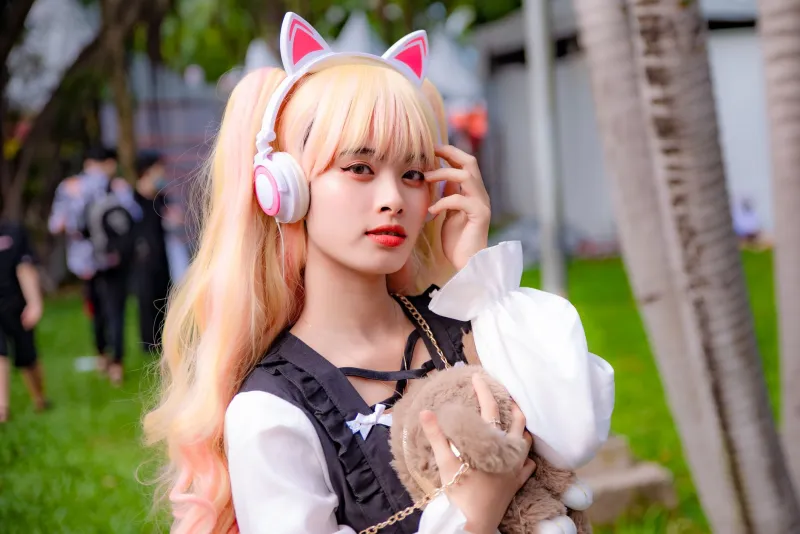
In the dealer's room, you'll find official merchandise: the Nendoroids, the licensed apparel, the sanctioned products. It's great stuff. People buy it enthusiastically. But in artist alley, you'll find fan creators selling prints, stickers, and handmade items featuring their own interpretations of Vocaloid characters — art that often feels more alive, more specific, more emotionally resonant than anything in the official catalog. The creativity on display there is genuinely staggering.
In the panels, the conversations tend to center on fan-made content almost by default. Someone will bring up a producer whose work has been going viral on TikTok. Someone else will mention a fan-made animated video that got millions of views. The official releases come up, but they're often treated as a baseline rather than the main event.
This isn't disrespect toward the official ecosystem. It's more like... the community has its own center of gravity, and it doesn't always align with what the corporate side is promoting.
Does the Tension Actually Matter?
Here's the honest take: the friction between fan-made and official content isn't a bug in the Vocaloid scene. It's a feature.
The official ecosystem provides stability, visibility, and legitimacy. Without it, Vocaloid wouldn't have the kind of mainstream recognition that lets new fans discover it in the first place. The concerts, the brand deals, the polished product — all of that serves a real function.
But the fan creators are the engine. They're the reason Vocaloid sounds like a hundred different genres depending on which producer you're listening to. They're the reason the culture feels alive and unpredictable rather than carefully managed. They're the reason that discovering Vocaloid still feels like finding something — like you stumbled onto something real rather than being handed a product.
The best moments in Vocaloid history have happened when those two sides intersect. When an official concert features a song that started as a fan-made underground hit. When a grassroots producer gets tapped for an official release. When the community's energy pulls the corporate side toward something more interesting than it would have chosen on its own.
What New Fans Should Actually Do With This
If you're just getting into Vocaloid — welcome, genuinely — here's the most useful advice we can offer: don't limit yourself to the official canon.
By all means, go to the concerts. Use MikuEvent to find what's coming to a venue near you, and get yourself a ticket. The live experience is something you should absolutely have. But also go deep on YouTube. Follow producers on social media. Join a Discord server. Go to artist alley at your next convention and buy something from a fan creator.
The full picture of what Vocaloid is only becomes clear when you see both sides of it. The official ecosystem will show you how far this culture has come. The fan community will show you where it's going next.
And honestly? That combination — the polished stage show and the raw creative chaos living right alongside it — is what makes Vocaloid unlike anything else in music right now.