Spot It, Score It: A US Fan's No-Nonsense Guide to Buying Legit Vocaloid Merch

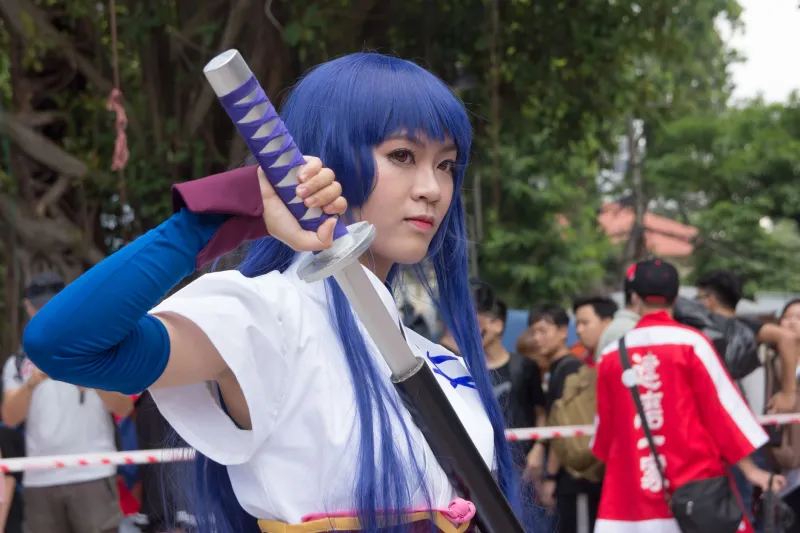
Photo by Photo by Rajesh Rajput on Unsplash on Unsplash
Let's be real: the Vocaloid merch market in the US is a wild place. On one hand, it's never been easier to find Hatsune Miku figures, keychains, and apparel without hopping on a plane to Akihabara. On the other hand, the same accessibility that makes shopping convenient also opens the door to counterfeits, scalper markups, and sellers who are banking on fans being too excited to look closely. Whether you're a seasoned collector or just starting to build your shelf, this guide is your roadmap to spending your money on the real deal.
Know What You're Actually Looking For
Before you can spot a fake, you need a baseline understanding of what legitimate Vocaloid merchandise looks like. Most official figures and collectibles come from licensed Japanese manufacturers — names like Good Smile Company, FREEing, Taito, and Furyu are the heavy hitters you'll see most often. Official products will typically have a manufacturer's logo printed clearly on the packaging, along with Crypton Future Media's licensing information (they hold the rights to the main Vocaloid characters like Miku, Rin, Len, Luka, KAITO, and MEIKO).
For apparel and smaller accessories, look for items tagged with Crypton's official licensing seal or sold through verified brand collaborations. Concert-exclusive merchandise — the stuff sold only at MIKU EXPO or similar live events — is a whole separate category with its own authentication quirks we'll get into shortly.
Red Flags That Scream "Bootleg"
Counterfeit Vocaloid merch has gotten more sophisticated over the years, but there are still telltale signs if you know where to look.
Pricing that seems too good to be true. A Good Smile Company Nendoroid that retails for $60–$80 being sold for $15 is not a bargain — it's a bootleg. Legitimate figures hold their value, and suspiciously low prices almost always signal a knockoff.
Blurry or off-color printing. Authentic figures and merchandise feature crisp, clean paint applications and accurate color matching. Bootlegs frequently show bleeding colors, smudged details, or a slightly "off" teal on Miku's hair that just doesn't look right.
Flimsy or incorrect packaging. Real product boxes are sturdy, well-printed, and include proper Japanese and English labeling. Bootleg packaging often feels cheap, has spelling errors, or lacks the manufacturer's official branding.
Seller with zero reviews or vague location. On platforms like Amazon Marketplace or eBay, always check the seller's feedback history. A brand-new account selling five different Miku figures at rock-bottom prices is a massive red flag.
Where to Buy: The Reliable Retailers
For US fans, there are several trustworthy routes to authentic merchandise.
Crunchyroll Store and Right Stuf (now part of Crunchyroll) carry officially licensed Vocaloid goods and are a solid starting point for everyday merch. Selection varies, but what they stock is guaranteed legitimate.
AmiAmi USA and Nin-Nin Game are Japan-based import retailers with strong US shipping options and excellent reputations in the collector community. AmiAmi in particular is widely considered the gold standard for pre-ordering figures directly from Japan. Prices are typically close to Japanese retail, and their grading system for pre-owned items is transparent and reliable.
Big in Japan and Tokyo Otaku Mode are two more import-friendly platforms popular with US collectors. Both carry a wide range of Vocaloid figures, plushies, and accessories, and both have established track records for authenticity.
Official event stores — like the merch tables at MIKU EXPO North America shows or Vocaloid-focused convention booths — are your best bet for limited-edition concert exclusives. If you're attending a live event, budget extra for merch and get there early. These items sell out fast and immediately spike on the secondary market.
Navigating the Secondary Market
Sometimes the item you want is sold out everywhere, and the secondary market is your only option. This is where things get tricky, but it's manageable with the right approach.
Mercari and eBay are the most common platforms US fans use for secondhand Vocaloid merch. Both have buyer protection policies, but they're only useful if you actually report issues. Before buying, ask sellers for multiple photos — especially of the base, box bottom, and any printed details. Cross-reference what you're seeing with images from the manufacturer's official product page.
MyFigureCollection (MFC) isn't a store, but it's an invaluable resource. The community there has detailed photo databases of virtually every licensed figure ever produced, making it easy to compare what a seller is offering against verified authentic examples.
Facebook groups and Discord servers dedicated to Vocaloid collecting can also connect you with trustworthy community sellers. Peer-to-peer sales within established fan communities tend to be safer than anonymous marketplace listings, especially for high-value concert exclusives.
When evaluating secondary market prices, use Solaris Japan's sold listings or eBay's completed sales to gauge fair market value. Scalpers will always try to push prices higher than the market actually supports, so don't panic-buy — patience usually pays off.
Concert Exclusives: The Holy Grail Problem
MIKU EXPO and similar live Vocaloid events in the US generate some of the most coveted merch in the fandom — and some of the most aggressively scalped. Items like event-specific acrylic stands, tour T-shirts, and limited art books can triple in price within hours of a show ending.
If you miss out at the event itself, your best bet is waiting 2–4 weeks post-show before buying on the secondary market. Initial scalper prices almost always drop as more sellers list their extras. The exception is truly limited print-run items (numbered editions, signed pieces), which tend to hold or increase in value long-term.
Also worth noting: some MIKU EXPO merch has historically appeared on the official Crypton or event websites as post-tour online sales. It's always worth checking before paying scalper prices.
A Quick Word on Customs and Import Fees
Ordering directly from Japanese retailers is often the most cost-effective and safest route, but don't forget to factor in customs duties. Orders over $800 are subject to US import taxes, and some retailers charge additional shipping insurance for fragile figures. Services like Tenso or Buyee (proxy shopping services) can help you access Japan-only listings, but add a layer of fees and logistics to manage.
Shop Smart, Collect Confidently
The Vocaloid merch world rewards fans who do their homework. A little research before hitting "buy" — checking manufacturer branding, comparing prices against established market rates, and sticking to reputable platforms — goes a long way toward making sure your collection is the real thing. Your shelf (and your wallet) will thank you.