Your First Japan Vocaloid Pilgrimage: Visas, Venues, and Tickets Decoded
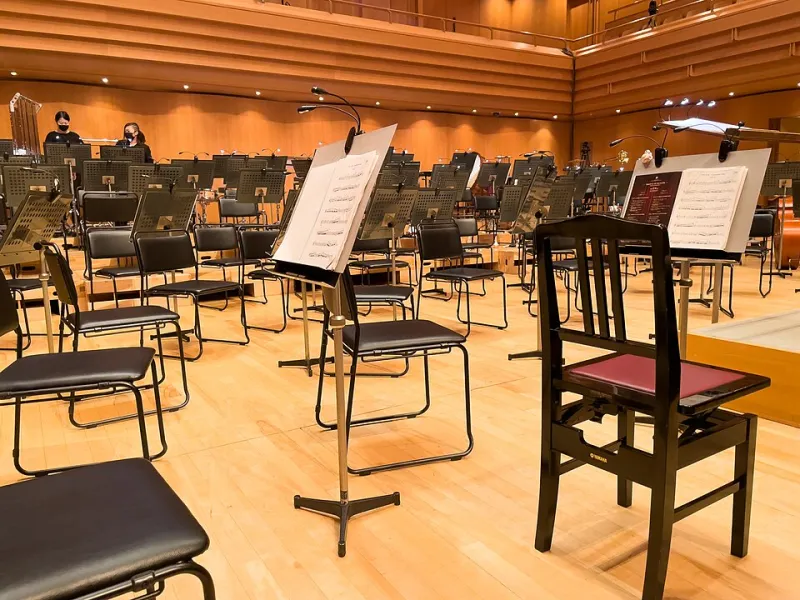
Photo: Dick Thomas Johnson from Tokyo, Japan, CC BY 2.0, via Wikimedia Commons
There's a moment every Vocaloid fan eventually has: you're watching a shaky livestream of Magical Mirai, the crowd is losing their minds, the glowsticks are synced perfectly, and you think — I need to be in that room. If that thought has crossed your mind more than once, this guide is for you. Traveling to Japan for a live Vocaloid concert or anime festival is genuinely one of the most rewarding experiences in fandom, but it takes some prep work. Let's walk through everything you need to know before you book that flight.
Do US Citizens Need a Visa for Japan?
Good news first: as of 2024, US passport holders can enter Japan visa-free for up to 90 days for tourism purposes. You don't need to apply for anything in advance — just show up at the port of entry with a valid passport, a return flight booked, and proof that you can support yourself financially during your stay. Japan's border officials are generally straightforward to deal with as long as your documents are in order.
That said, if you're planning to work or perform (like, say, you're a cosplay contest finalist who's also getting paid), the rules change. For the vast majority of fans going to concerts and conventions, though, the tourist entry is all you need. Keep a digital and physical copy of your itinerary, hotel reservations, and event tickets — customs agents occasionally ask for them.
Timing Your Trip: When Are the Big Events?
Japan's Vocaloid and anime event calendar is surprisingly packed, but a few dates are worth planning your entire trip around.
Magical Mirai is the crown jewel. Organized by Crypton Future Media, this annual festival combines a full-scale Hatsune Miku concert with a massive exhibition hall. It typically runs across two weekends — one in Tokyo (usually Makuhari Messe) and one in Osaka (usually Osaka-Jo Hall) — in late August or September. Dates shift year to year, so keep an eye on the official Magical Mirai website and Crypton's social channels starting around spring.
Comiket (Comic Market) takes place twice a year — late December and late August — at Tokyo Big Sight. While it's primarily a doujinshi and indie creator market, the Vocaloid and anime music scene is heavily represented. It's chaotic, it's enormous, and it's absolutely worth experiencing at least once.
AnimeJapan in late March is another marquee event, drawing major publishers and music acts to Tokyo Big Sight each spring. If J-pop and anime tie-ins are your thing, this one hits different.
For the best overlap of weather, events, and manageable crowds, late August to early October is the sweet spot for a Vocaloid-focused trip.
Cracking the Japanese Ticketing System
This is where a lot of US fans hit a wall. Japanese ticketing platforms are not built with international buyers in mind, and getting tickets to Magical Mirai — especially the concert portion — can feel like trying to solve a puzzle in a language you're still learning.
Here's the honest breakdown:
- Lawson Ticket (L-Tike) and e-Plus are the two main platforms used for Vocaloid concerts. Both require a Japanese phone number and, in many cases, a Japanese address for ticket delivery.
- Ticket lottery systems are common. Rather than first-come, first-served sales, many high-demand events run an application window where you enter for a chance to buy tickets. Winners are selected randomly.
- Convenience store pickup is still the dominant fulfillment method. If you win the lottery, you'll often need to pick up physical tickets at a Lawson or FamilyMart using a kiosk called Loppi or Famiport.
So what's the workaround for US fans? A few options:
- Use a proxy ticketing service. Companies like Buyee or Tenso specialize in helping international buyers navigate Japanese e-commerce and ticketing. They provide a Japanese address and handle the pickup on your behalf.
- Book through a Japan travel agency that includes event tickets as part of a package. Some agencies specifically cater to anime tourism.
- Check resale platforms closer to the event. Sites like Ticket Camp or Yahoo! Auctions Japan sometimes have verified resale listings, though prices spike for popular shows.
Start the process at least 2–3 months before your trip. Don't assume you'll grab tickets once you're on the ground — sold-out is sold-out.
Tokyo and Osaka: Know Your Venues
Once you've got your tickets sorted, knowing the lay of the land makes a huge difference.
In Tokyo:
- Makuhari Messe (Chiba, just outside Tokyo) hosts the Tokyo leg of Magical Mirai. It's a large convention center accessible via the Keiyo Line from Tokyo Station. Plan for a 45-minute commute and arrive early — lines form well before doors open.
- Zepp Tokyo (now Zepp DiverCity Tokyo) is a mid-size live music venue in Odaiba that occasionally hosts Vocaloid-adjacent acts and anime music events.
- Tokyo Big Sight in Ariake is your home base for Comiket and AnimeJapan. It's massive. Download the event map before you go.
In Osaka:
- Osaka-Jo Hall sits right next to Osaka Castle and is one of the most atmospheric concert venues in Japan. The Osaka Magical Mirai concerts here feel genuinely special. It's accessible via the JR Osaka Loop Line.
- Intex Osaka hosts large-scale anime and pop culture expos and is worth checking for events during your stay.
Currency and Day-to-Day Tips
Japan remains largely cash-heavy compared to the US, though IC cards like Suica or Pasmo (loaded via your smartphone or at train stations) handle transit and convenience store purchases seamlessly. For event merchandise — and there will be a lot of merchandise — bring yen. ATMs at 7-Eleven and Japan Post reliably accept US debit and credit cards.
Budget-wise, expect to spend $50–$150 USD on event merchandise per visit if you're not careful. Set a limit before you walk in, or just accept your fate.
Also: download Google Translate with the Japanese offline pack before you fly. The camera translation feature alone will save you multiple times a day.
The Intangible Part
No guide can fully prepare you for what it actually feels like to be in a Japanese concert hall with thousands of fans who love the same music you do, swinging glowsticks in unison to "World is Mine." That part you have to experience yourself. What we can do is make sure the logistics don't get in the way of the moment. Plan early, stay flexible, and enjoy every second of it — because once you've seen Miku live in her home country, the bar for concert experiences is permanently raised.
For updates on Magical Mirai dates, ticket windows, and travel tips, keep checking back with MikuEvent. We'll keep this updated as new event announcements drop.