Empty Calendars No More: How US Venues Are Quietly Betting Big on Vocaloid Nights
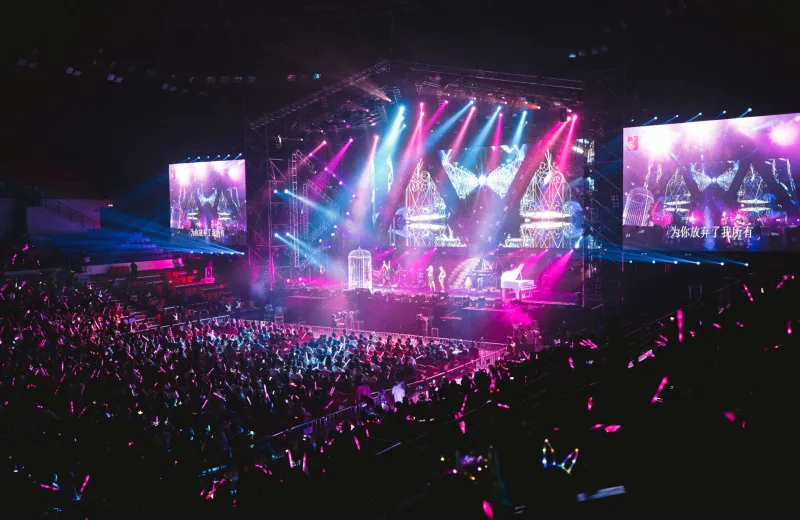
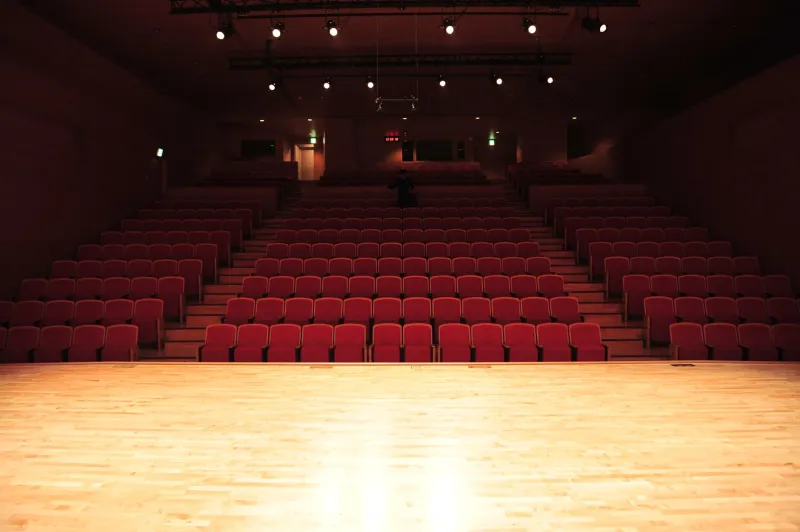
There's a running joke in the live events industry that mid-sized venues — the 1,500-to-4,000-capacity rooms that sit awkwardly between intimate clubs and arena behemoths — are perpetually one bad booking season away from a crisis. Rising operational costs, unpredictable touring schedules, and a post-pandemic audience that still hasn't fully returned to live shows have left a lot of these spaces scrambling. So when a genre of concerts tied to a holographic anime pop star started quietly filling those rooms to capacity, venue managers paid attention.
Vocaloid events — and Hatsune Miku concerts in particular — have become something of an open secret in the US live entertainment industry. While mainstream music press mostly ignores the scene, booking agents and venue directors have been comparing notes for a couple of years now. The numbers, by most accounts, are hard to argue with.
The Demographic Nobody Was Counting On
Part of what makes Vocaloid audiences so attractive to venue operators is who actually shows up. Fans skew younger, they travel farther than average, and they spend more per head on merchandise than almost any other concert-going demographic outside of major pop tours. A 25-year-old Miku fan driving three hours from a secondary market isn't unusual. A group of college friends splitting a hotel room to attend is practically standard.
Venue merchandise revenue — which operators keep a cut of — tends to spike significantly on Vocaloid event nights compared to a typical indie rock or EDM booking. Fans arrive expecting to buy things. They've already researched the merch table online. Some of them budget for it months in advance. For a venue that's used to audiences who grab one overpriced beer and leave, that kind of intentional spending is genuinely noticeable.
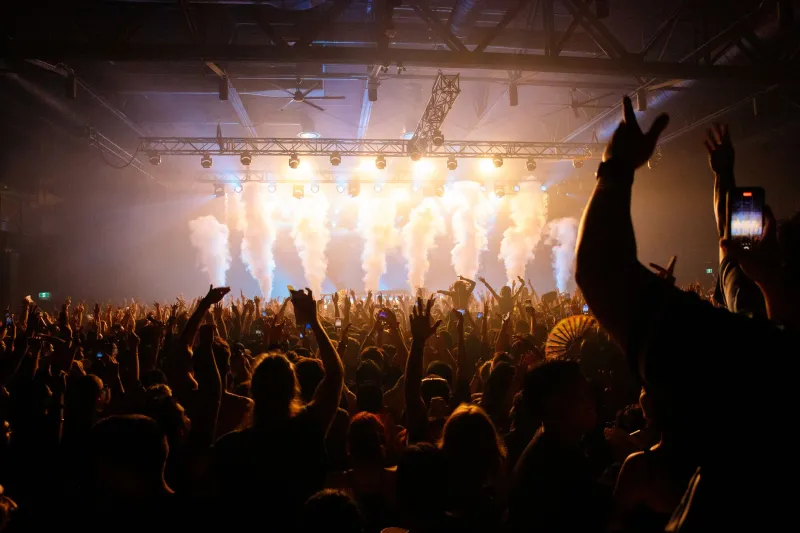
Promoters who've worked both sides of the equation describe the difference in almost identical terms: Vocaloid audiences treat the whole night as an experience, not just a show. That mindset translates directly into dwell time, secondary spending, and the kind of social media documentation that functions as free advertising for the venue long after the event ends.
What It Actually Takes to Host One of These Shows
Here's where things get more complicated — and more expensive. Hosting a Vocaloid concert isn't as simple as swapping out a backline and calling it a day. The holographic projection technology that defines the live experience requires significant infrastructure investment, and not every venue is set up for it out of the box.
Sound engineers who've worked Vocaloid events describe a fairly steep learning curve. The audio profile for a holographic performance is different from a live band. There's no organic room bleed from amplifiers, no drummer creating natural low-end warmth. Everything is coming through a playback and reinforcement system, which means the venue's PA needs to be dialed in with unusual precision. Sightline management matters more than usual too — if part of the audience can't see the projection surface cleanly, you've got a problem that no amount of great sound can fix.
Rigging capacity is another factor. Projection screens for high-quality holographic effects aren't lightweight, and some older venues have had to bring in structural engineers to assess whether their fly systems can handle the load. A few promoters have described turning down otherwise ideal venues specifically because the ceiling height or rigging infrastructure couldn't support the visual setup the production required.
None of this is insurmountable, but it does mean that venues willing to invest in the necessary upgrades are positioning themselves as preferred partners for Vocaloid promoters — which, in a scene where demand is outpacing available dates, is a genuinely valuable position to be in.
Borrowing the Convention Playbook
One of the more interesting dynamics in this space is how traditional concert venues are quietly learning from anime convention organizers. Conventions have been managing large, passionate, cosplay-heavy crowds for decades, and they've developed crowd flow strategies, signage approaches, and security protocols that mainstream concert venues simply haven't needed before.
When a venue hosts a Vocaloid event for the first time, staff are often caught off guard by how early fans arrive, how elaborate some of their costumes are, and how differently the crowd behaves compared to a standard concert audience. There's more photography, more group coordination, more pre-show ritual. People want space to meet up, take photos, and connect with other fans before the music even starts. A venue that treats the lobby as dead space before doors open is leaving both energy and revenue on the table.
Some promoters have started sharing convention-style best practices with venue operations teams as part of their event planning process — things like designating photo areas, setting up early merch access for fans who arrive well before general admission, and briefing security on the difference between cosplay props and actual prohibited items. Venues that adapt to these nuances tend to get significantly better post-event reviews from attendees, which directly affects whether those fans return for future bookings.
The Quiet Competitive Advantage
What's emerging, slowly but clearly, is a tier of US venues that have figured out Vocaloid events and are building reputations within the fan community for doing them well. Word travels fast in this fandom. A venue that handles a Miku concert with care — good sound, good sightlines, staff who aren't confused by the audience — gets talked about on Reddit threads, Discord servers, and fan forums for months afterward. A venue that fumbles it gets talked about just as loudly, and for much longer.
For venues in markets where Vocaloid events are still relatively new, there's a real first-mover advantage available. The promoters running these shows are actively looking for reliable partners in cities that haven't been regularly served by the touring circuit. A venue that raises its hand, does the infrastructure homework, and demonstrates it can handle the production requirements has a reasonable shot at locking in a relationship before competitors figure out what's happening.
The mainstream music industry spent years treating Vocaloid as a novelty — something for the convention floor, not the concert hall. The venues that got curious earlier than everyone else are now sitting on some of the most reliable sell-out bookings in their calendars. That's not a coincidence, and it's not going away.
For fans, all of this is good news. More venues getting serious about Vocaloid events means more dates, more cities, and — eventually — better production quality across the board. The infrastructure is catching up to the demand, one rigging assessment and sound check at a time.