When Vocaloid Meets the Mainstream: Inside the Collab Economy Reshaping Music
Not too long ago, Vocaloid lived in a pretty specific bubble. You either knew about it or you didn't — and if you did, chances are you found it through a very particular corner of YouTube or an anime convention dealer's room. But something has shifted in a big way. Producers who once made songs for Niconico are now sitting in sessions with pop songwriters, indie artists, and even a few names your non-anime friends might actually recognize. The Vocaloid collab economy is real, it's growing, and it's starting to matter in ways that go way beyond fandom.
So what's actually driving all of this? And more importantly — which of these collabs are worth your attention?
Why Collaboration Makes Sense Right Now
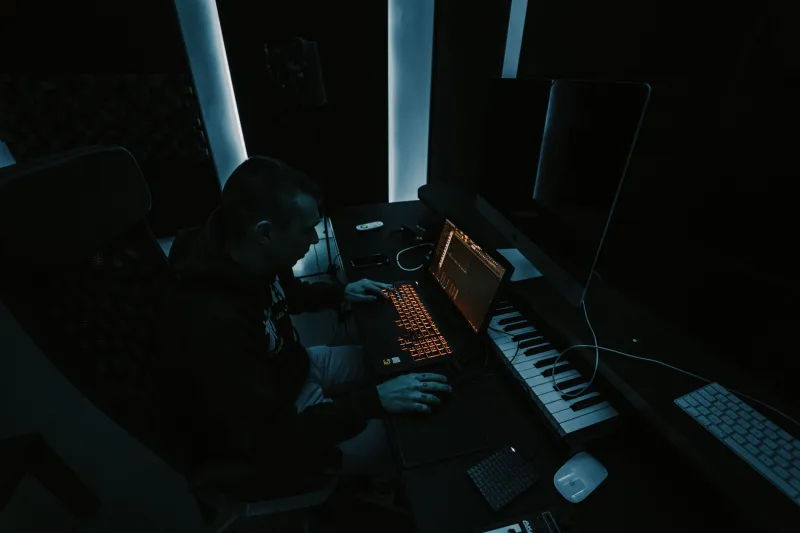
The music industry runs on discovery. Streaming algorithms, playlist placements, and social media virality have completely changed how listeners find new artists. For Vocaloid producers, collaboration isn't just a creative flex — it's a smart distribution strategy. When a well-known indie artist features on a track produced by someone like Kikuo or 40mP, that artist brings their entire fanbase along for the ride. Suddenly, people who've never once thought about synthetic vocals are hitting replay on something they genuinely love.
On the flip side, mainstream artists get something valuable too: credibility with a highly engaged, deeply loyal audience. Vocaloid fans aren't passive listeners. They make fan art, they write analysis threads, they buy merch, and they go to shows. That kind of community engagement is something a lot of artists actively want access to.
There's also a creative dimension that can't be ignored. Vocaloid's production culture has always pushed boundaries — unconventional chord progressions, layered arrangements, lyrics that swing between deeply personal and surreally abstract. Collaborating with producers from this world often pulls mainstream artists out of their comfort zone in genuinely interesting ways.
Collabs That Actually Delivered
Let's talk specifics, because not every collab lands. But a few recent ones have turned heads in a meaningful way.
The ongoing crossover between Vocaloid producers and the hyperpop/electronic scene has been particularly fruitful. Artists operating in that space already share a sonic DNA with a lot of Vocaloid production — glitchy textures, pitched vocals, an anything-goes approach to structure. When those worlds collide on a track, it doesn't feel forced. It feels like the music was always headed there.
Similarly, the rise of bilingual releases — where a Japanese Vocaloid track gets an English-language companion version featuring a Western vocalist — has opened doors that strict Japanese-only releases never could. US fans have responded enthusiastically, and these tracks tend to perform significantly better on platforms like Spotify and Apple Music where English content still dominates algorithmic recommendations.
Streamer-adjacent collabs have also been quietly effective. A handful of Vocaloid producers have partnered with content creators who have massive YouTube or Twitch audiences, either scoring original music for their channels or releasing tracks that get featured in streams. The reach on those is enormous — and the audience skews young, curious, and highly susceptible to falling down a Vocaloid rabbit hole.
The Risk Side of the Equation
None of this comes without tension. Long-time fans have strong opinions about what Vocaloid is supposed to sound like and who gets to be part of that world. When a collab feels purely commercial — like a brand slapping Miku's likeness onto something without any genuine creative investment — the community notices, and the backlash can be swift.
There's also the question of authenticity. Vocaloid's grassroots origins are a huge part of its appeal. The idea that anyone with a computer and a copy of the software could create something that goes viral and changes the culture — that's genuinely radical. Collabs that feel like they're chasing clout rather than making something real tend to fall flat with the core audience, even if they pick up casual listeners.
The producers who navigate this best are the ones who approach collaboration the way they approach everything else: with a genuine creative vision and enough confidence to push the other artist somewhere unexpected.
What US Fans Should Watch For
If you're stateside and paying attention, there are a few trends worth tracking heading into the rest of 2025.
First, keep an eye on what's happening at the intersection of Vocaloid and the American indie folk scene. It sounds unlikely, but there's genuine creative experimentation happening there — acoustic textures paired with synthetic vocals in ways that feel fresh rather than gimmicky.
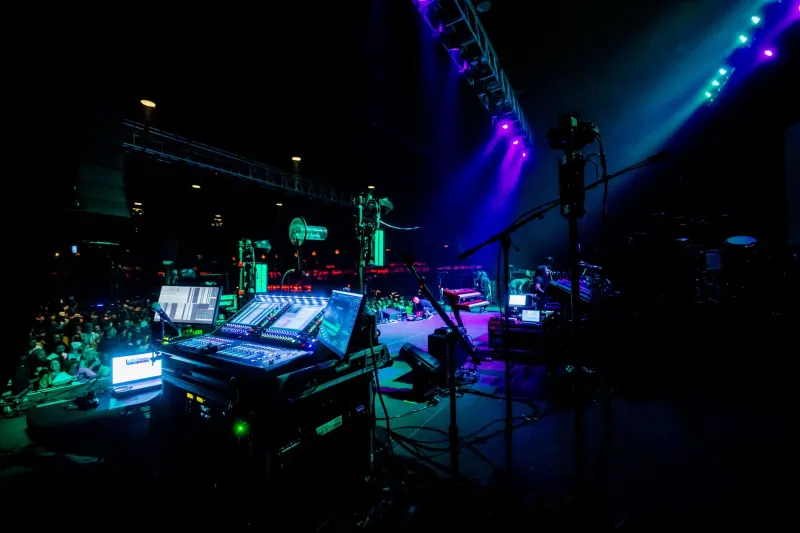
Second, the live event angle is getting interesting. Some of these collab artists are starting to appear on the same festival bills as Vocaloid-adjacent acts, or showing up at conventions in panel and performance contexts. If you're using MikuEvent to track what's coming to your city, start watching for those hybrid lineups — they tend to be where the most exciting moments happen.
Finally, watch TikTok. Seriously. A huge chunk of the discovery happening around Vocaloid right now is running through short-form video, and collab tracks that get picked up as sounds can explode overnight. More than a few US fans have had their first Vocaloid moment because a clip of a collab track soundtracked something completely unrelated on their For You page.
The Bigger Picture
Vocaloid has always been a genre that defied easy categorization. It's not J-pop, it's not EDM, it's not classical — it's all of those things and none of them, depending on the producer. That flexibility is exactly what makes cross-genre collaboration such a natural fit. There are no rules to break because the community never agreed on rules in the first place.
What the collab economy is really doing is giving Vocaloid a seat at tables it was previously locked out of — not because the music wasn't good enough, but because the gatekeepers didn't know where to put it. That's changing fast. And for US fans who've been championing this music for years, watching it finally get the wider recognition it deserves? That's a pretty satisfying moment to be part of.