What's Really in That Ticket Price? The True Cost of a Vocaloid Live Event
If you've ever stared at a Vocaloid concert ticket listing and done a double-take at the price, you're not alone. Fans across the US regularly post in Discord servers and Reddit threads asking some version of the same question: why does this cost so much? The answer, it turns out, is layered — and genuinely fascinating once you start pulling it apart.
We dug into the economics behind premium Vocaloid live events, talking to people who work in concert promotion, venue operations, and live production to get a clearer picture of where your money actually goes.
The Holographic Setup Is Expensive. Like, Really Expensive.
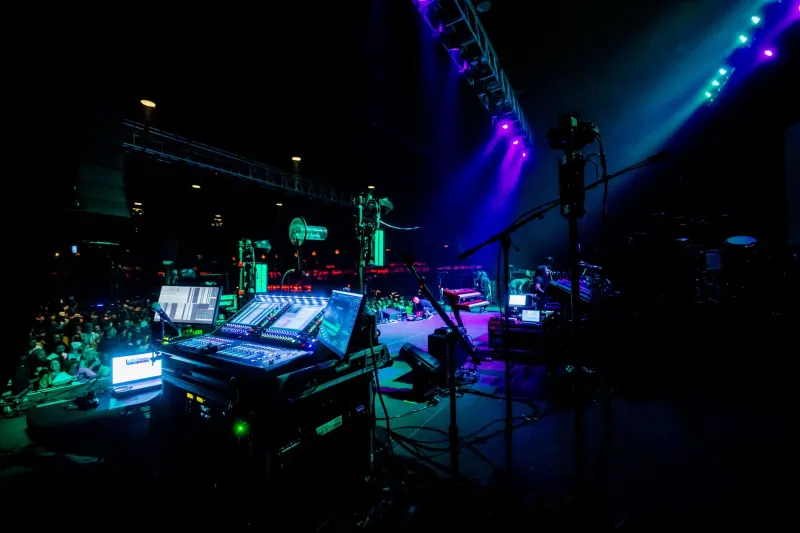
The centerpiece of any Vocaloid concert is the projection system that brings characters like Hatsune Miku to life onstage. This isn't your average PowerPoint slide on a screen. Productions typically use a transparent film or a specialized foil screen — often called a Pepper's Ghost setup or a more advanced variant — combined with high-lumen laser projectors and precise stage lighting designed to make the illusion convincing from every seat in the house.
According to live event production professionals familiar with touring holographic rigs, the cost of renting, shipping, and operating this kind of system for a single US show can run anywhere from $80,000 to $250,000 depending on venue size and how many screens are used. That's before a single musician steps onto the stage.
And yes, there's almost always a live band. Vocaloid concerts typically feature real instrumentalists performing alongside the projected characters, which adds musician fees, rehearsal costs, and union considerations at larger American venues into the mix.
Licensing: The Invisible Line Item
Here's something most fans don't think about: Hatsune Miku is a product of Crypton Future Media, a Japanese company that holds tight control over how Miku and her fellow Vocaloids are used commercially. Every time a promoter wants to stage a Miku concert in the US, they're entering into a licensing agreement that covers the character's likeness, the visual assets, and often the specific song catalog performed.
These licensing fees are confidential in most cases, but promoters operating in the US market have described them as "significant" and sometimes structured as a percentage of gross ticket sales on top of a flat rights fee. When you're licensing a globally recognized IP from a company based in Japan, you're also navigating currency exchange rates, international legal frameworks, and the specific terms Crypton sets for each territory.
Smaller Vocaloid concerts featuring less commercially controlled characters — like UTAU-based acts or indie producers performing their own work — can sidestep some of these costs, which is part of why grassroots Vocaloid events often carry lower ticket prices.
Venue Costs in the US Hit Differently
American venues operate under a cost structure that surprises a lot of fans who compare US ticket prices to Japanese concert prices. In Japan, major Vocaloid events often take place at purpose-built halls or arenas with established relationships between promoters and venues. In the US, promoters are often working with multipurpose spaces — theaters, convention halls, mid-size arenas — that weren't designed with holographic productions in mind.
That means extra rigging costs, load-in time fees, and sometimes structural modifications just to hang the projection equipment safely. Add in standard American venue expenses — security staffing, ADA compliance requirements, ticketing platform cuts (which typically run 10–15% on top of face value), and local taxes — and the base cost of putting on a show climbs fast.
A mid-size US venue holding around 3,000 people might generate $300,000–$450,000 in gross ticket revenue at average prices. But by the time production, licensing, venue fees, marketing, and staffing are accounted for, margins for promoters can be surprisingly thin — especially for first-time events in new markets.
So When Are You Actually Overpaying?
This is where it gets practical. Not all expensive Vocaloid tickets represent the same value.
Signs you're getting genuine value:
- The event features a full live band alongside the holographic performance
- Production quality has been verified through past tour reviews or fan footage
- The promoter has a track record of delivering on what they advertise
- VIP packages include actual experiences — meet-and-greet equivalents, early entry, exclusive merchandise — rather than just a better seat
Signs you might be overpaying for hype:
- The event is a one-off from an unfamiliar promoter with no event history
- VIP tiers are priced dramatically higher but the added value is vague or purely cosmetic
- Resale prices are being driven up by scalper bots rather than genuine demand
- The venue is undersized for the price point, suggesting premium pricing without premium production
Third-party resale is its own minefield. Tickets listed at 3–4x face value on StubHub or Ticketmaster's resale marketplace are rarely worth it unless you absolutely cannot attend the only available show. Check fan communities first — Reddit's r/Vocaloid and various Discord servers often have face-value ticket exchanges among fans who can't make it.
The Bottom Line
Vocaloid concerts are genuinely expensive to produce. The combination of cutting-edge projection tech, international licensing, live musicians, and US venue costs creates a cost structure that makes $100+ tickets more justifiable than they might initially seem. That doesn't mean every high-priced ticket is a fair deal — but understanding the breakdown helps you evaluate each event on its actual merits.
Next time you're deciding whether a ticket is worth it, look past the price tag and ask what the production is actually promising to deliver. The economics are complicated, but your experience doesn't have to be.