Passion to Paycheck: How US Vocaloid Fans Are Turning Community Love Into Real Income
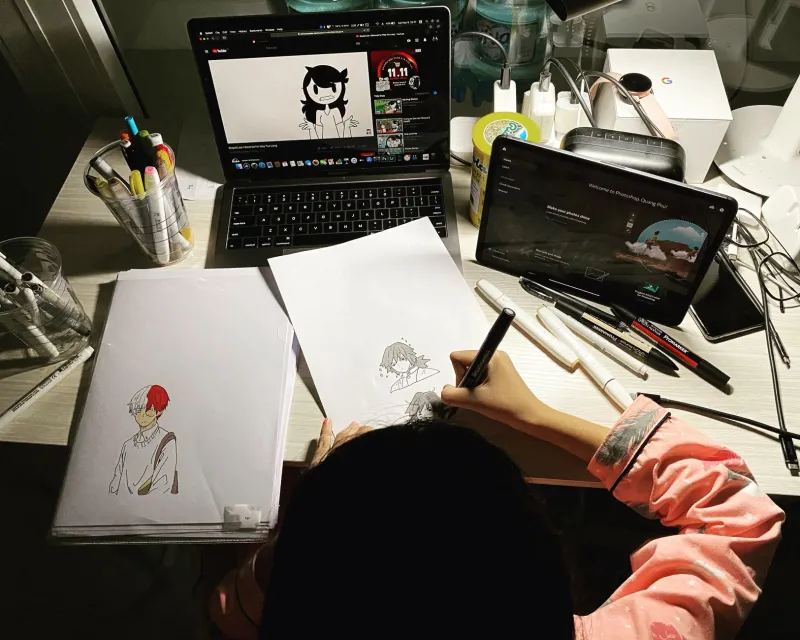
For most people, being a Vocaloid fan means buying tickets, streaming albums, and maybe dropping a little too much on merch at conventions. But for a growing slice of the US fanbase, it means something else entirely: a side hustle, a creative business, or in some cases, a genuine primary income stream.
The Vocaloid fandom economy is real, it's expanding, and it's a lot more sophisticated than it looks from the outside. Here's a look at how fans are making it work — and what to watch out for if you want in.
The Platforms Powering Fan Income
Patreon is probably the most visible engine behind fan monetization right now. Vocaloid artists, remixers, and illustrators have been quietly building subscriber bases there for years, offering everything from early access to original tracks to monthly wallpaper packs and behind-the-scenes process videos. The model works particularly well for creators who already have a following on YouTube or TikTok, where Vocaloid content consistently pulls strong engagement.
Etsy and similar storefronts have become the go-to for physical goods — enamel pins, acrylic standees, washi tape, sticker sheets, and apparel featuring original fan designs. Some sellers do modest side-income numbers; others have turned their shops into full-time operations that ship hundreds of orders a month. Convention season tends to spike sales dramatically, with many creators timed drops around major events like Anime Expo or Otakon.
Commission marketplaces like Ko-fi, Gumroad, and even direct Instagram DM pipelines have made custom art requests a legitimate income stream for illustrators who specialize in Vocaloid characters. Prices range from $15 for a simple sketch to several hundred dollars for fully rendered, print-ready pieces. Demand stays consistent because fans always want something personal — a favorite character in a specific pose, a couples piece featuring Miku and another Vocaloid, a portrait of their own OC alongside the official cast.
The Business Models That Actually Hold Up
Not every monetization strategy survives contact with reality. A few models have shown real staying power in the Vocaloid space specifically.
Tiered subscription content works when the creator has a clear niche. A producer who makes exclusively dark, cinematic Vocaloid tracks has an audience that's genuinely invested in that specific sound. Offering that audience early access, stems for remixing, or monthly Q&As creates a value proposition that goes beyond just "support me."
Fan-run merch collectives have emerged as a particularly interesting development. These are essentially small groups of artists who pool resources — shared print runs, coordinated convention table space, joint marketing — to reduce costs and increase visibility. Instead of one artist trying to sell twenty different products alone, a collective of five or six artists can offer a full range of designs under one banner, splitting the overhead and the risk.
Event-adjacent income is another underrated avenue. Fans who develop skills in event production, cosplay crafting, or even just high-quality photography often find that Vocaloid and anime convention circuits create steady demand for those skills. Photographers who specialize in cosplay documentation, for example, can build a convention circuit clientele that keeps them booked across the entire con season.
The Ethics Question Nobody Wants to Skip
Here's where it gets complicated. Vocaloid characters exist in a genuinely unusual legal and cultural space. Crypton Future Media, the company behind Hatsune Miku and several other major Vocaloids, has historically taken a relatively permissive stance toward fan creativity — but that permissiveness has limits, and those limits matter when money enters the picture.
Selling fan art of Miku at a convention table is generally tolerated within the community and has been for years. But there's a real difference between an individual artist selling handmade goods at a small scale and a large-scale commercial operation running thousands of units. Most experienced fan creators in the US operate with an informal understanding of where that line sits, even if it's never been formally codified.
NFTs occupy a more contested space. Some Vocaloid fans have experimented with tokenizing original fan art, and the reactions within the community have been... mixed. The core tension is familiar to anyone who's watched NFT discourse play out in other fandoms: questions about environmental impact, about the commodification of what was once purely communal creative output, and about whether tokenizing art featuring someone else's intellectual property creates additional legal exposure. It's not a settled debate, and anyone considering going that route should think carefully and do their research.
The broader ethical question — is it okay to profit from fandom at all? — tends to resolve differently depending on who you ask. Most fans seem to land somewhere practical: original creative work deserves compensation, direct replication or bootlegging of official goods is clearly wrong, and everything in between requires judgment.
Practical Advice for Getting Started Without Burning Out
If you're thinking about dipping your toes into fan monetization, a few things are worth keeping in mind before you set up your first storefront.
Start with what you already make. The creators who sustain income over time are almost always people who were already producing content before they tried to monetize it. Building an audience around genuine creative output is a slower path than chasing trends, but it's far more durable.
Price your work correctly from day one. Underpricing is endemic in fan creative spaces, partly because creators feel weird charging "full price" for work tied to characters they don't own. But your time and skill have real value regardless of the source material. Research what comparable work sells for and price accordingly.
Set boundaries with your output. Commission burnout is extremely common in fan art communities. Taking on more orders than you can handle, agreeing to projects that don't interest you, and failing to set realistic turnaround times are the fastest routes to hating something you used to love. Treat your creative capacity like the finite resource it is.
Know the rules of the platforms you use. Patreon, Etsy, and other platforms all have their own policies about fan-created content and intellectual property. Familiarize yourself with those policies before you build a business on top of them.
The Bigger Picture
The Vocaloid fandom economy isn't just a collection of individual side hustles — it's a cultural ecosystem that sustains and amplifies the scene itself. Fan creators produce the art that fills convention floors, the remixes that introduce new listeners to the genre, and the community energy that makes events feel alive. When that creative labor finds ways to sustain itself financially, the whole ecosystem benefits.
For fans who want to participate, the opportunity is genuinely there. It just takes some realistic thinking about what you're building, who you're building it for, and how you'll keep it going when the initial excitement fades. The fans who figure that out tend to build something worth showing up for — both for themselves and for the community around them.