Lost in Translation? Your Crash Course in Vocaloid Fan Speak
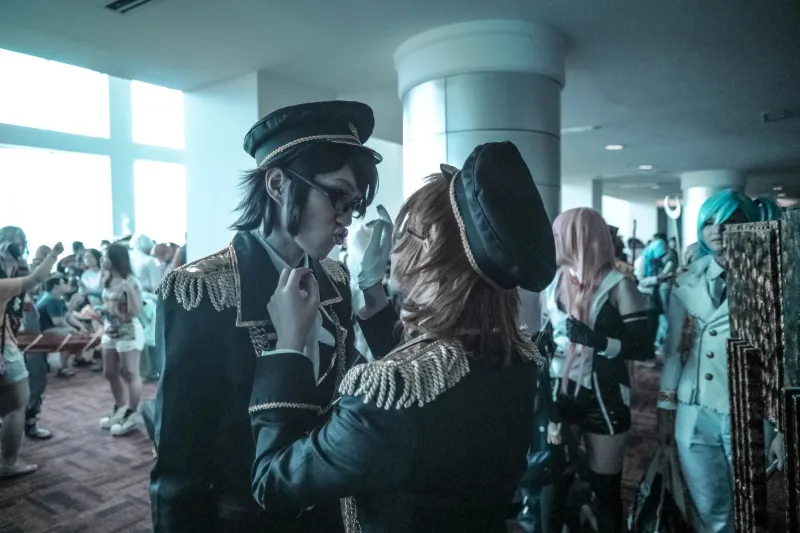
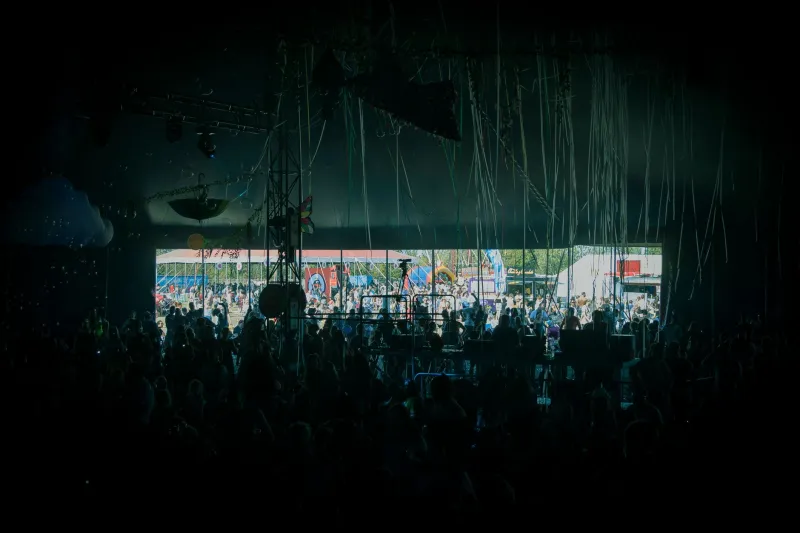
You're standing in line at a Vocaloid concert — maybe it's a Miku Expo stop in Los Angeles or a packed panel room at a major anime convention — and the two fans behind you are deep in conversation. They're throwing around words like "P-name," debating whether a certain "ship" is "canon," and laughing about something called "Ievan Polkka." You smile and nod. You have absolutely no idea what's happening.
Don't stress. Every subculture has its own dialect, and Vocaloid fandom is no exception. In fact, the linguistic ecosystem around Vocaloid is one of the most layered, creative, and genuinely fascinating you'll find anywhere in fan culture. Once you crack the code, you don't just understand conversations better — you start to feel like you actually belong in the room.
Let's break it all down.
What Even Is a P-Name?
This one comes up constantly, so let's start here. In Vocaloid culture, a "P" is a producer — someone who creates music using Vocaloid software. The "P" comes from the Japanese word producer (プロデューサー), borrowed partly from the idol industry. When fans attach it to a creator's name, like "KulfiP" or "ryoP," they're essentially giving that person a title of honor. It signals that this person is a recognized creative force in the scene, not just a casual hobbyist.
Long-time fan Mara T., who's been attending Vocaloid events since the early 2010s, puts it plainly: "Calling someone a P is a sign of respect. It's like saying, 'this person creates things that matter to this community.' When you hear someone rattle off P-names at a show, they're basically name-dropping the greats."
For newcomers, the easiest entry point is getting familiar with a few of the most celebrated Ps — ryo (of supercell fame), Crusher-P, and CircusP are good starting points for US-based fans since their work has circulated widely on English-language platforms.
Ships, Canons, and the Lore Nobody Officially Wrote
Vocaloid characters don't come with fixed storylines. Crypton Future Media and other developers give characters like Miku, Rin, Len, and Kaito loose backstories and visual designs, but the actual lore — the relationships, the drama, the deep emotional arcs — that's almost entirely fan-generated.
This is where shipping comes in. "Shipping" (short for "relationship") refers to fans pairing characters together romantically or otherwise. RinLen (Rin and Len Kagamine) is probably the most debated ship in the fandom, partly because the twins' relationship is deliberately ambiguous. Are they siblings? Mirror images? Just two halves of a whole? Fans have written entire essay threads about it.
"Canon" gets used loosely here too. Technically, very little in Vocaloid is officially canon since there's no central story. But fans use the word to describe details that feel so widely accepted or producer-endorsed that they might as well be official. If a well-known P writes a song that implies a certain relationship between characters, the fandom might start treating that as canon — at least within that producer's "universe."
At live events, you'll often see fan-made merch that leans hard into popular ships. Knowing which ones are beloved vs. controversial can save you from accidentally wandering into a heated debate at the merch table.
Memes, Earworms, and the Bits That Never Die
Vocaloid has generated some of the internet's most durable memes, and a lot of them have become shorthand inside fan spaces. "Ievan Polkka" — a Finnish folk song covered using Miku's voice, complete with a leek-spinning animation — is basically the fandom's origin myth for many Western fans. If someone references "the leek," you now know what they mean.
Then there's "World Is Mine" energy, which fans use to describe any moment that's unapologetically diva-coded. "Melt" gets cited when someone's talking about a song that emotionally wrecked them. "Disappearance of Hatsune Miku" is practically a rite of passage — if you've listened to it all the way through and survived, you've earned something.
Jamie R., a linguistics grad student and longtime Vocaloid fan based in Chicago, finds the meme ecosystem genuinely interesting from an academic angle. "Subcultural groups create identity through shared references," she explains. "When Vocaloid fans quote a lyric or drop a meme, they're doing a quick check — do you know this? Are you one of us? It's a low-stakes way of finding your people."
Producer Shoutouts and Concert Crowd Rituals
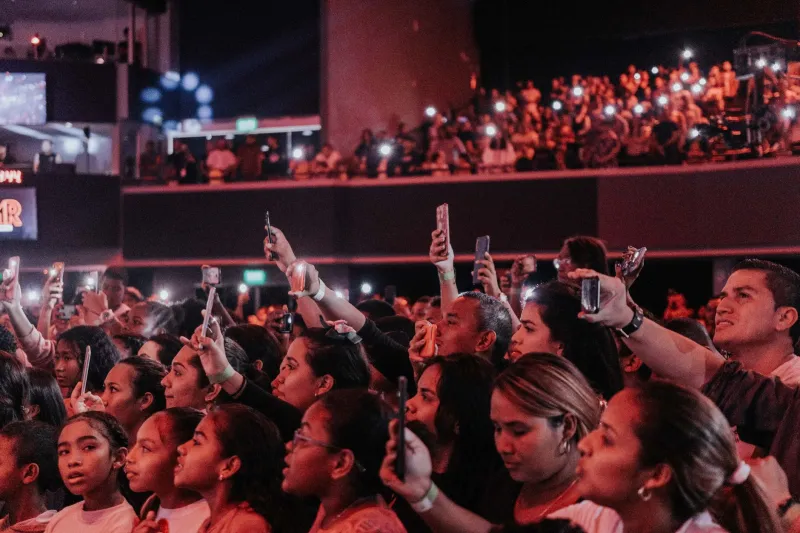
If you've ever watched a Vocaloid concert livestream and noticed the crowd doing specific things at specific moments — waving glowsticks in coordinated colors, shouting certain phrases during instrumental breaks — that's not random. It's choreography, passed down through the community.
Different songs have associated "calls," which are audience responses that happen at specific moments. These aren't printed in any program. You learn them by watching videos, reading fan guides, or just standing next to someone who knows what they're doing and following along. At Miku Expo events, you'll often find fans posting "call guides" on Reddit or fan Discord servers ahead of the show so newcomers aren't totally lost.
Glowstick colors are another layer of this. Miku's signature teal is universal, but different characters have their own associated colors — Rin is yellow, Len is also yellow (yes, this causes mild chaos), Luka is pink, and so on. Bringing the "wrong" color isn't a crime, but knowing the codes makes you feel like a real participant rather than just a spectator.
Why This Stuff Actually Matters
It'd be easy to write all of this off as nerdy trivia. But there's something genuinely meaningful about the way Vocaloid fans have constructed this shared language. It creates community in a scene that, for a long time, had very little mainstream support in the US. Before Miku Expo made holographic concerts a real thing Americans could attend, Vocaloid fandom existed almost entirely online — on Nico Nico Douga, YouTube, Tumblr, and early Discord servers. The slang, the memes, and the shared references were the glue holding it together.
When you walk into a live event and drop the right reference at the right moment, something clicks. A stranger becomes a conversation. A conversation becomes a friendship. That's the real power of fan language — it's not gatekeeping, it's a handshake.
So next time someone behind you in the merch line mentions their favorite P or debates whether a certain ship is canon, you'll know exactly what to say. And if you're still not sure? Just ask. Vocaloid fans, as a rule, love talking about this stuff. Hand them an opening and they'll happily walk you through the whole dictionary.
Welcome to the scene. The leek has been spinning a long time, and there's always room for one more fan.