Show Up, Pay Up, Power Up: How US Vocaloid Fans Are Bankrolling Independent Artists One Concert at a Time
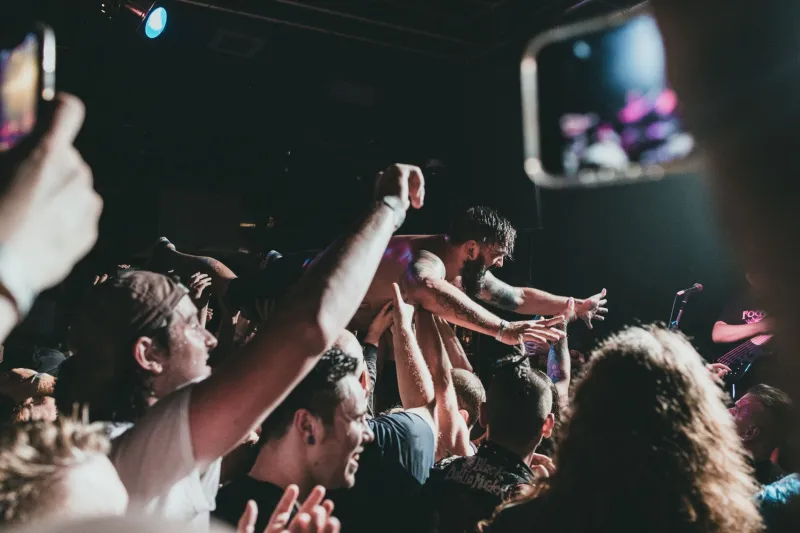
Let's be honest — when most people drop $80 on a concert ticket, they're not thinking about macroeconomics. They're thinking about the light show, the setlist, and whether they'll finally get to hear their favorite track live. But in the Vocaloid world, that ticket purchase is doing a lot more heavy lifting than it looks like on the surface.
The US Vocaloid concert circuit has quietly built something that mainstream music venues rarely stumble into: a self-reinforcing economic loop where fan spending at live events doesn't just pay for the show — it actively shapes careers, drives streaming numbers, and pulls sponsorship dollars into a scene that operates almost entirely outside the traditional record label system.
The Money Trail Starts at the Merch Table
Ask anyone who's worked the floor at a mid-size Vocaloid event and they'll tell you the same thing: the merch table is where the real revenue lives. General admission tickets at US Vocaloid concerts typically run anywhere from $40 to $120 depending on the venue and lineup, but producers — especially independent ones — often see a larger percentage of their per-event income from physical goods sold on-site than from ticket splits.
"The ticket revenue gets divided so many ways before it gets to me," says one mid-tier producer who's had tracks featured at multiple US events and asked to remain anonymous to protect ongoing venue relationships. "Venue cut, promoter fee, licensing costs if it's a holographic show — by the time it trickles down, you're looking at a fraction of face value. But someone buying a $35 art print or a $25 CD at the table? That margin is completely different."
This dynamic isn't unique to Vocaloid, but what makes the scene unusual is the density of independent creators operating without label infrastructure. There's no A&R team taking a cut. No distributor absorbing a percentage. When a fan buys directly from a producer at a convention booth or live event table, the economic relationship is about as direct as it gets in modern music.
Live Events as a Streaming Catalyst
Here's where it gets interesting from a data standpoint. Industry observers tracking Vocaloid streaming numbers on platforms like Spotify and YouTube have noticed a consistent pattern: independent producers who perform or have tracks featured at US live events see measurable spikes in streaming activity in the days and weeks following a show — often in cities far beyond the event's physical location.
The mechanism isn't hard to understand. A fan hears a track live, Shazams it or asks around in the crowd, finds the producer's page, and starts streaming. They post about it. Their followers stream it. The algorithm picks up the momentum and starts surfacing the track to adjacent listeners. What started as a $60 ticket purchase in Chicago or Los Angeles ends up generating streaming revenue that compounds over months.
"Live events are essentially the best marketing spend I have access to," says another producer, this one based in the Pacific Northwest who's been releasing Vocaloid tracks independently for about four years. "I don't have a label pushing my stuff to playlist curators. But if I can get a track into a live set — even as part of a DJ set or a featured showcase — the streaming tail on that is real. I can see it in my analytics."
Venue promoters are starting to take notice of this dynamic too. Several mid-size promoters working the US anime and Vocaloid circuit have begun structuring showcase slots specifically to give independent producers live exposure, treating it as a value-add for the event rather than just filler between headliner sets.
Sponsorship Dollars Following Fan Wallets
The economic ripple doesn't stop at merch and streaming. As US Vocaloid events have grown in scale and consistency, brand sponsorship has started flowing into a scene that used to survive almost entirely on ticket revenue and fan goodwill.
Japanese consumer electronics brands, gaming peripheral companies, and anime-adjacent merchandise labels have all increased their presence at US Vocaloid events over the past several years. The pitch to sponsors isn't complicated: Vocaloid fans skew young, tech-literate, and have demonstrated a willingness to spend meaningfully on things they care about. That's a demographic brands pay serious money to reach in other entertainment verticals.
For independent producers, this sponsorship influx creates opportunities that didn't exist five years ago. Sponsored stage slots, branded content partnerships, and product placement deals are now realistic possibilities for artists who've built a following through the live event circuit — even without label backing.
"The conversation with brands has changed," says a promoter who organizes regional Vocaloid events across the Midwest and Southeast. "Two or three years ago I was cold-calling companies and explaining what Vocaloid even was. Now they're coming to me. They see the attendance numbers, they see the spending behavior, and they want in. That changes what I can offer producers who work with us."
Where This Diverges From Mainstream Music
What makes the Vocaloid economic model genuinely different from traditional artist-fan relationships isn't just the independence of the creators involved — it's the community architecture underneath it all.
In mainstream music, the economic relationship is largely one-directional: label invests in artist, artist performs, fan purchases, revenue flows back up the chain. The fan is a consumer. In the Vocaloid world, fans function more like active stakeholders. They vote with their attendance on which artists get booked again. They share streaming links with intent, not just habit. They show up to convention panels to advocate for producers they believe in. They fund crowdfunded album releases and physical media runs.
This creates accountability that mainstream structures don't naturally generate. A producer who delivers a great live set and connects genuinely with fans at the merch table will see that investment pay off in measurable ways. One who phones it in gets the data feedback pretty quickly.
What It Means Going Forward
The US Vocaloid concert circuit is still small by mainstream standards. A sold-out show at a 2,000-seat venue is a significant milestone here, not a baseline. But the economic model being built inside that scale is genuinely innovative — and it's attracting attention from people outside the scene who study how independent music economies function.
If streaming platforms continue to compress per-play payouts and traditional label structures keep consolidating, the direct-to-fan economic loop that Vocaloid has quietly perfected might start looking less like a niche curiosity and more like a blueprint.
For now, though, the most important thing you can do is pretty simple. Buy the ticket. Grab something at the merch table. Tell your friends about the producer whose track hit different in that dark room with the light rigs going. The economy runs on exactly that.