From Server to Spotlight: How Fan Communities Became the Hottest Talent Pipeline in Vocaloid
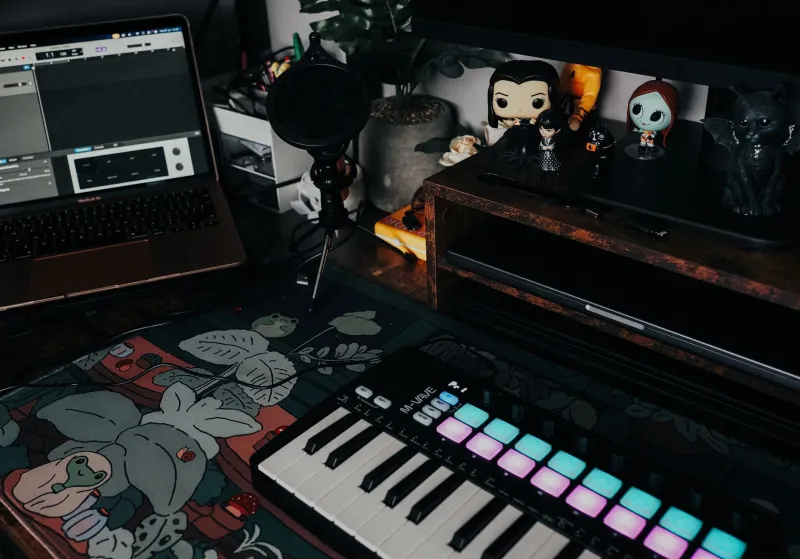
There's a producer somewhere right now dropping a fresh Vocaloid track into a Discord channel at 1 a.m., half-expecting it to disappear into the void. But here's the thing — it probably won't. Increasingly, those late-night shares are the opening moves in a journey that ends on an actual stage, in front of a sold-out crowd, with a real light rig overhead. The path from bedroom producer to booked artist has been quietly rewired, and fan communities are holding the keys.
The traditional music industry gatekeeping model — labels, managers, industry showcases — never really had a strong foothold in the Vocaloid world to begin with. That vacuum created something genuinely interesting: a talent ecosystem built entirely from the bottom up, where the audience and the artists are often the same people, and where discovery happens organically rather than by committee.
Discord Is the New Demo Tape Drop
If you want to understand where Vocaloid talent gets found today, you need to spend some time inside the right Discord servers. We're talking about spaces with names you might not recognize — niche communities organized around specific Vocaloid characters, production styles, or regional fan bases — where members share works-in-progress, remix projects, and full original tracks on a daily basis.
These aren't passive audiences. Feedback loops in active Vocaloid Discord servers can be brutally honest and remarkably fast. A producer drops a track, and within hours they've got detailed critiques from peers who actually know what they're talking about — mixing notes, arrangement feedback, lyrical suggestions. That kind of rapid iteration used to require a studio deal or at least a very well-connected friend group. Now it just requires finding the right server.
What's changed recently is who else is lurking in those channels. Event organizers, booking agents, and even venue talent buyers have started monitoring these spaces as part of their regular scouting routine. One US-based convention programming coordinator told us — speaking informally — that Discord is now "basically required reading" when they're putting together a live showcase lineup. That shift didn't happen overnight, but it's very real.
Reddit's Role in the Reputation Economy
If Discord is where the raw material gets shared, Reddit is where reputations get built. Subreddits dedicated to Vocaloid production, fan art, and concert culture function as a kind of rolling public record. A producer who consistently shows up in comment threads, gets upvoted for quality work, and builds a recognizable name across multiple posts over months or years develops something that's genuinely hard to manufacture: community credibility.
That credibility translates directly into booking conversations. Event platforms scouting for live talent aren't just looking for someone with a polished portfolio — they want someone the community already trusts. A Reddit history of genuine engagement, collaborative projects, and well-received releases signals that an artist has an existing audience who will actually show up to a live event. For smaller conventions and fan-organized showcases especially, that's often more valuable than raw streaming numbers.
Some of the most compelling case studies we've come across involve producers who built their entire initial following through Reddit AMAs, track feedback threads, and community remix challenges before ever performing live. The stage came later — but the audience was already there waiting.
Fan Forums as Unofficial A&R Departments
Beyond Discord and Reddit, longer-form fan forums — including spaces on sites like VocaDB and dedicated fan wikis — have developed their own talent-tracking culture. These communities catalog releases, maintain artist profiles, and often have members who function as unofficial curators, flagging standout work and connecting producers with collaborators or opportunities.
It's a decentralized system that would look chaotic from the outside, but it operates with surprising efficiency. Word travels fast when someone drops something genuinely impressive, and the people paying attention include not just fellow fans but the organizers of some of the most credible Vocaloid live events in the US.
Fan-run showcases — the kind that pop up at anime conventions, pop-up venues, and community event spaces across cities like Los Angeles, New York, Chicago, and Seattle — have increasingly sourced their lineups directly from these community ecosystems. The result is programming that feels authentic precisely because it comes from within the culture rather than being handed down by outside decision-makers.
What This Means for Artists Trying to Break Through
If you're a producer or performer trying to figure out how to get on a stage in 2025, this pipeline matters a lot. The old advice — build a press kit, submit to agencies, play the waiting game — still has some relevance, but it's increasingly secondary to community presence.
Showing up consistently in the right spaces, being genuinely helpful to other creators, sharing work openly and inviting honest feedback — these behaviors build the kind of organic reputation that event organizers are now actively looking for. It's less about gaming an algorithm and more about becoming a real, recognizable member of the community.
That said, the pipeline isn't without friction. Visibility in these spaces can be inconsistent, and not every talented producer has the time or personality to maintain a strong community presence alongside their creative work. There's also a real risk of burnout from the constant engagement that community-building requires. The artists who navigate it best tend to treat community participation as genuinely enjoyable rather than purely strategic — which, in a scene built on passion, usually isn't too hard a sell.
Event Platforms Are Catching Up
On the industry side, the smarter event platforms and booking operations have started formalizing what was previously ad hoc scouting. Some are building internal processes around monitoring fan community activity, tracking which producers are generating consistent buzz, and reaching out proactively before those artists have even thought about live performance.
This is a meaningful shift. It means the community's judgment — the collective taste of thousands of engaged fans — is now directly influencing which artists get real opportunities. That's not a perfect system, and it still carries the biases of whichever communities happen to be loudest or most visible. But compared to the alternative of a handful of industry insiders making all the calls, it's a genuinely more democratic model.
For fans, it also means that your engagement actually matters. Upvoting a track, sharing it in another server, writing a thoughtful comment in a feedback thread — these small actions collectively shape which artists get noticed and which opportunities open up for them. The community isn't just the audience anymore. It's the infrastructure.
The Bottom Line
The Vocaloid scene has always had a DIY spirit baked into its DNA — it started, after all, with fans making music with software and sharing it freely online. What's new is that this grassroots energy has matured into a genuine talent discovery system, one that event organizers and live platforms are now actively plugging into rather than working around.
The Discord-to-stage journey is real, it's happening regularly, and it's reshaping who gets to perform at the events you attend. Next time you're at a Vocaloid showcase and you're blown away by an act you'd never heard of before, there's a decent chance they spent a few years earning that moment one Discord drop at a time.