Shipped Together, Sold Out Together: How Vocaloid Pairings Are Quietly Running the Concert Business
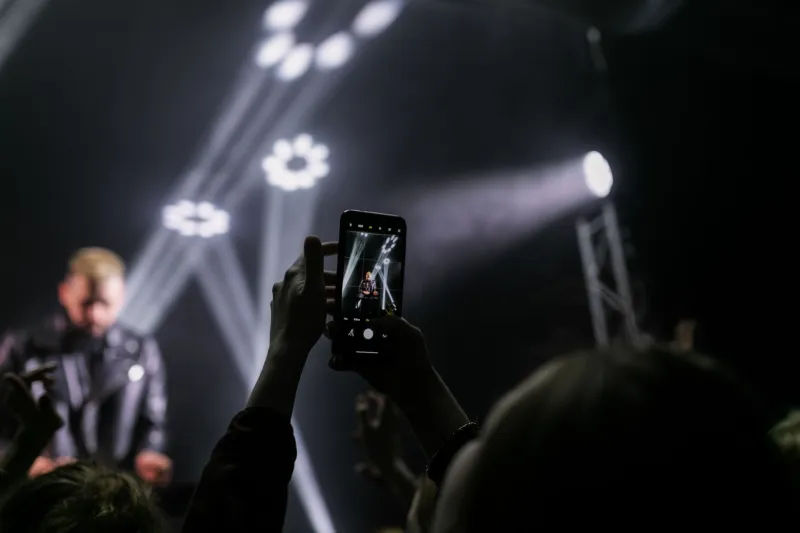
There's a moment that happens at nearly every major Vocaloid live event in the US. The lights drop, a familiar chord progression kicks in, and two holographic figures materialize on stage side by side. The crowd doesn't just cheer — they lose it. Not because the song is particularly rare or the production is especially flashy. They lose it because those two characters are standing together, and for a significant chunk of the audience, that pairing carries years of fan fiction, fan art, playlist curation, and deeply personal emotional investment.
This is the Vocaloid shipping phenomenon. And if you think it's just a corner of Tumblr or a niche Twitter discourse, you're sleeping on one of the most commercially potent dynamics in the entire live event space right now.
What Shipping Even Means in This Context
For the uninitiated: "shipping" is fandom shorthand for wanting two characters to be in a romantic or deeply bonded relationship. It's been a fixture of anime and gaming culture for decades. But in the Vocaloid world, it takes on a unique dimension because these characters don't have canonical storylines dictated by a single creator. Hatsune Miku, Kagamine Rin and Len, Kaito, Luka — they exist across thousands of independently produced songs, each with its own emotional framing. That creative vacuum is basically a shipping incubator.
The most enduring pairings — MikuxLuka, the Kagamine twins read as romantic rather than siblings, KaitoxMeiko — have generated entire ecosystems of content. We're talking fan-made music videos with tens of millions of views, dedicated convention panels, cosplay duo shoots that dominate social feeds every con season. These aren't casual preferences. For a lot of fans, these pairings are genuinely meaningful emotional touchstones.
The Numbers Don't Lie
Event promoters have started noticing something interesting: setlist leaks that include duet performances between popular shipped pairings generate measurably more pre-sale buzz than announcements of rare solo songs. One indie promoter based in Los Angeles who runs regional Vocaloid-themed club nights (and asked to stay anonymous because they weren't authorized to share internal data) put it bluntly: "If I hint that Miku and Luka are both going to be featured heavily in the same set, presale traffic spikes within hours. It's not subtle."
This isn't unique to small-scale events either. Look at how official Vocaloid concerts and sanctioned US events have structured their marketing in recent years. Promotional artwork frequently features characters in proximity that fans immediately read through a shipping lens. Whether that's intentional from the organizer's side or just a happy accident is genuinely hard to say — but the fan response is consistent.
Ticket resale behavior tells a similar story. Shows that feature multiple characters in a shared narrative format — think story-driven setlists or themed "relationship" arcs across a concert — tend to command higher secondary market prices than comparable single-character showcases. Fans aren't just buying a concert. They're buying a moment between characters they care about.
Are Organizers Actually Engineering This?
Here's where it gets interesting. Some event organizers are absolutely aware of shipping culture and build around it deliberately. Others stumble into it and then reverse-engineer why something worked. A third camp is actively uncomfortable with the whole thing, worried about appearing manipulative toward a fanbase that's already navigating complicated feelings about parasocial attachment to virtual characters.
A convention programming coordinator at a mid-sized Midwest anime con — one that added a Vocaloid-specific concert night two years ago — described the internal conversation this way: "We had a debate about whether to frame the event around specific character pairings in our promo materials. Some people felt like we'd be exploiting something personal to fans. Others pointed out that fans themselves are the ones who created these narratives — we're just acknowledging them. We went with a softer approach, but the fan community filled in the gaps on their own anyway."
That last part is key. Even when organizers stay neutral, fan communities will generate their own shipping-adjacent hype around an event. Discord servers and Reddit threads will spend weeks analyzing which songs on a rumored setlist "confirm" a pairing. This organic hype machine is something no marketing budget can fully replicate — which makes it both a gift and a puzzle for anyone trying to understand what actually drives ticket sales.
The Emotional Economy Underneath
It'd be easy to reduce all of this to pure commerce — fans get manipulated by their feelings, organizers profit, cycle repeats. But that framing misses something real. The shipping culture around Vocaloid characters is, for many US fans, a genuine creative and emotional outlet. In a music ecosystem where these characters exist as collaborative canvases rather than fixed personalities, fans aren't passively consuming a narrative. They're co-authoring it.
When a concert features a duet that mirrors a beloved fan pairing, the reaction isn't just "cool, they did the thing I like." It's closer to having a piece of something you helped create reflected back at you on a massive stage. That's a profoundly different emotional transaction than standard celebrity fandom, and it explains why the intensity of the response often surprises people who are new to the Vocaloid concert space.
Several fan community members we spoke with described attending specific shows primarily because of how a particular pairing was represented — not because of production quality, venue, or even the full setlist. "I drove four hours for a show because the promo video had Rin and Len in a scene that felt like it was made for people who know the fandom," one fan from Ohio told us. "That's not something I can fully explain to someone outside the community, but it was completely worth it."
What This Means Going Forward
For anyone involved in planning, promoting, or attending Vocaloid live events in the US, the shipping dynamic isn't going away — it's likely to get more sophisticated. As holographic concert technology improves and more official events make their way stateside, the question of how character relationships are staged and marketed will carry real commercial weight.
The organizers who figure out how to honor the emotional authenticity of these fan narratives — without reducing them to a cynical marketing checkbox — are probably the ones who'll build the most loyal audiences long-term. And the fans? They'll keep showing up in droves for the moment two holographic figures share a stage, carrying years of personal meaning onto a sold-out floor.
That's not a niche quirk of Vocaloid fandom. That's one of the most human things about it.